Introductory Offer
Two private half-hour lessons for $79 — our offer for new students, on your own or with a partner.
Get Intro OfferBallroom & Latin
Ballroom can be enjoyed socially and in competition, and it is sometimes called “partnership dancing” — because it takes two. Here are the two great styles of ballroom, the difference between them, and every dance you will find on our floor.
Prefer to talk? Call (321) 477-9959 or text (689) 334-0707
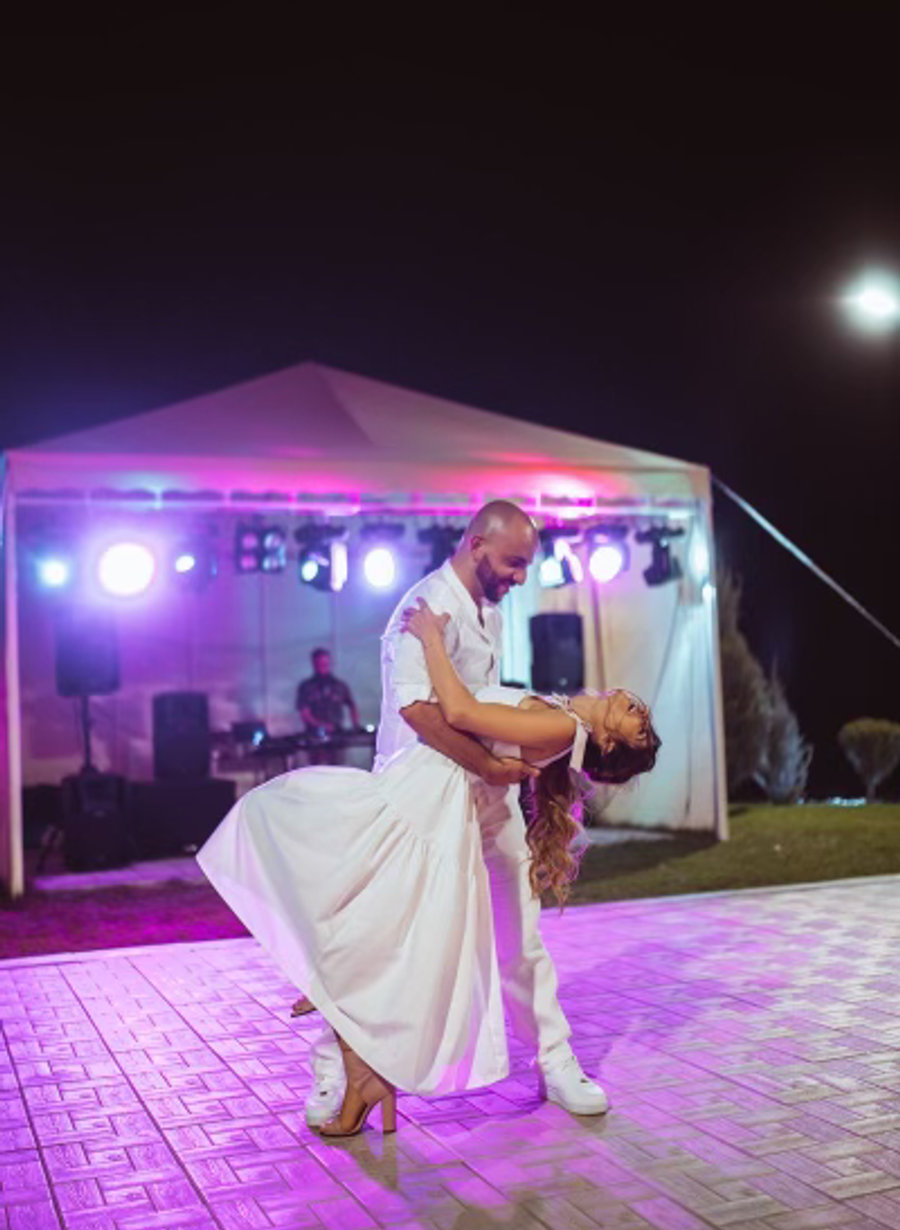
Where it all comes from
Ballroom can be enjoyed both socially and in dance competitions, and it is sometimes called “partnership dancing”, because it is a kind of dance that requires a dance partner.
Couples dancing began in the sixteenth century, at the dances held in the royal courts. There is also evidence that the folk dances of the time were an influence — the Waltz, for example, started life as an eighteenth-century Austrian folk dance.
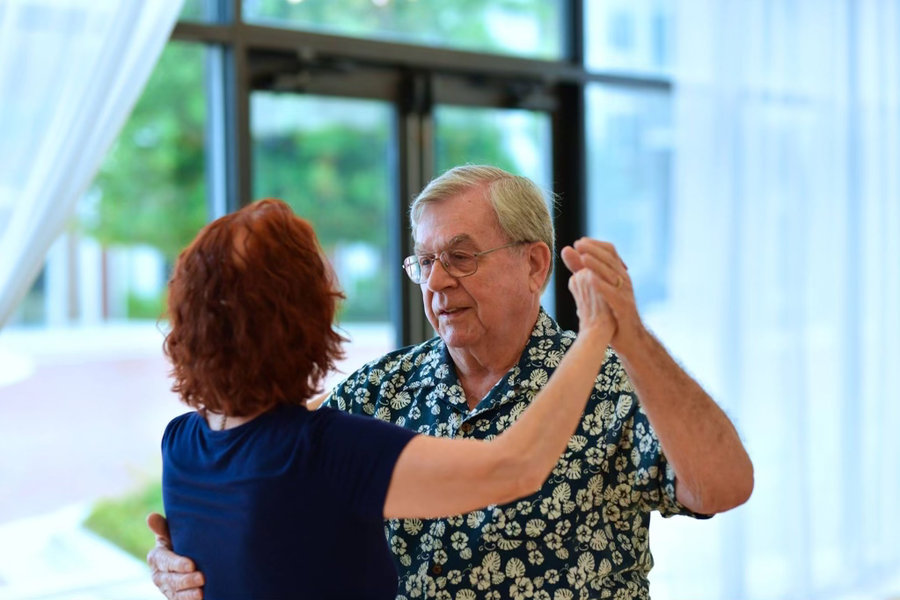 Social
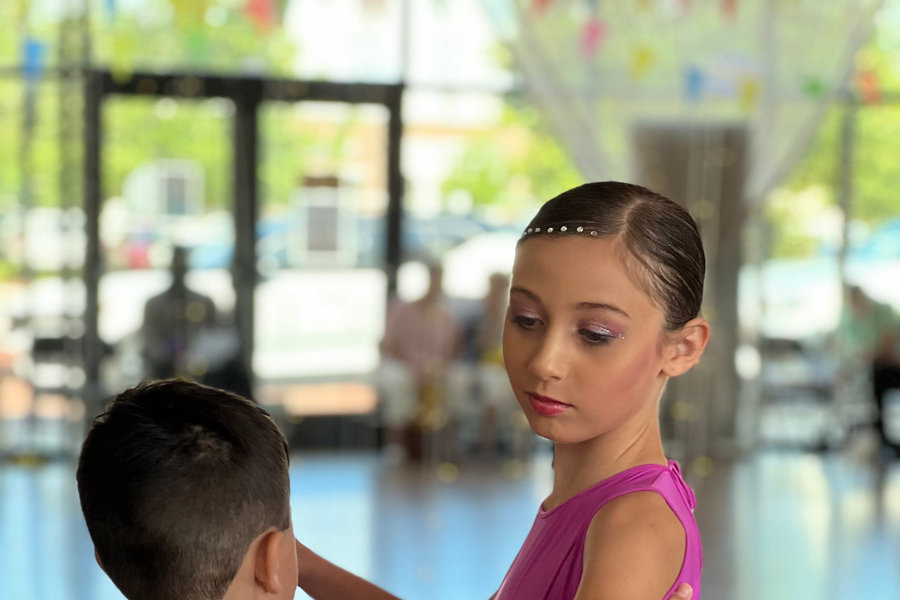 Youth
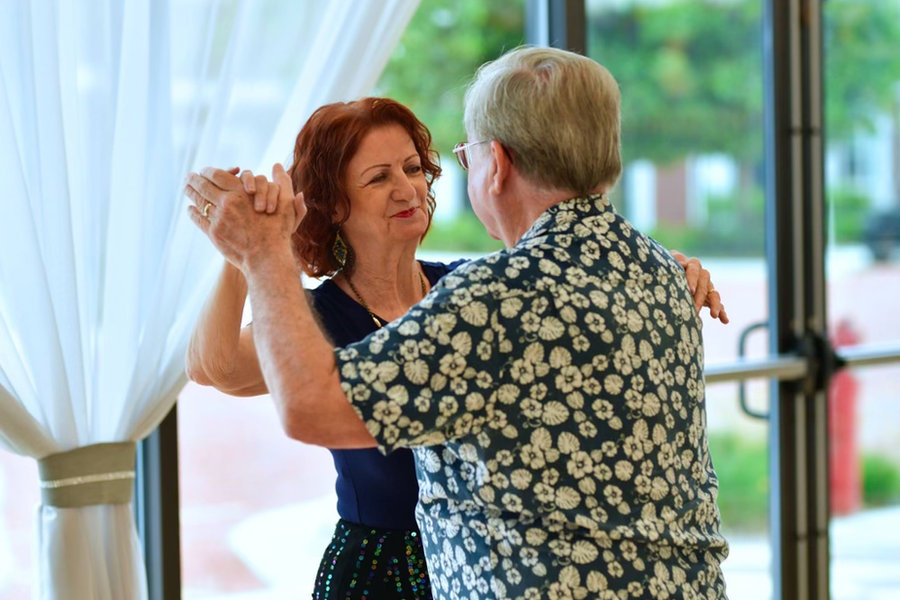 Partnership
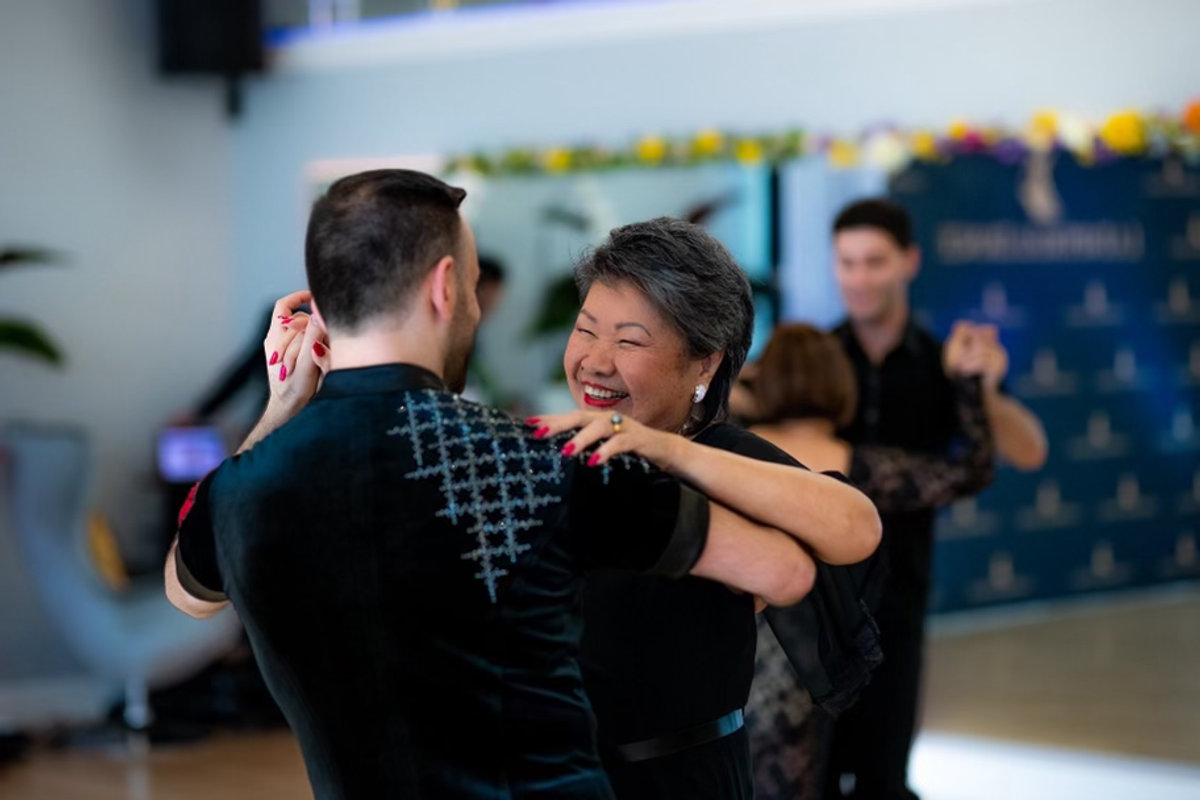
Ballroom is a partner dance — at every age, and at every level.
Two styles of ballroom dancing
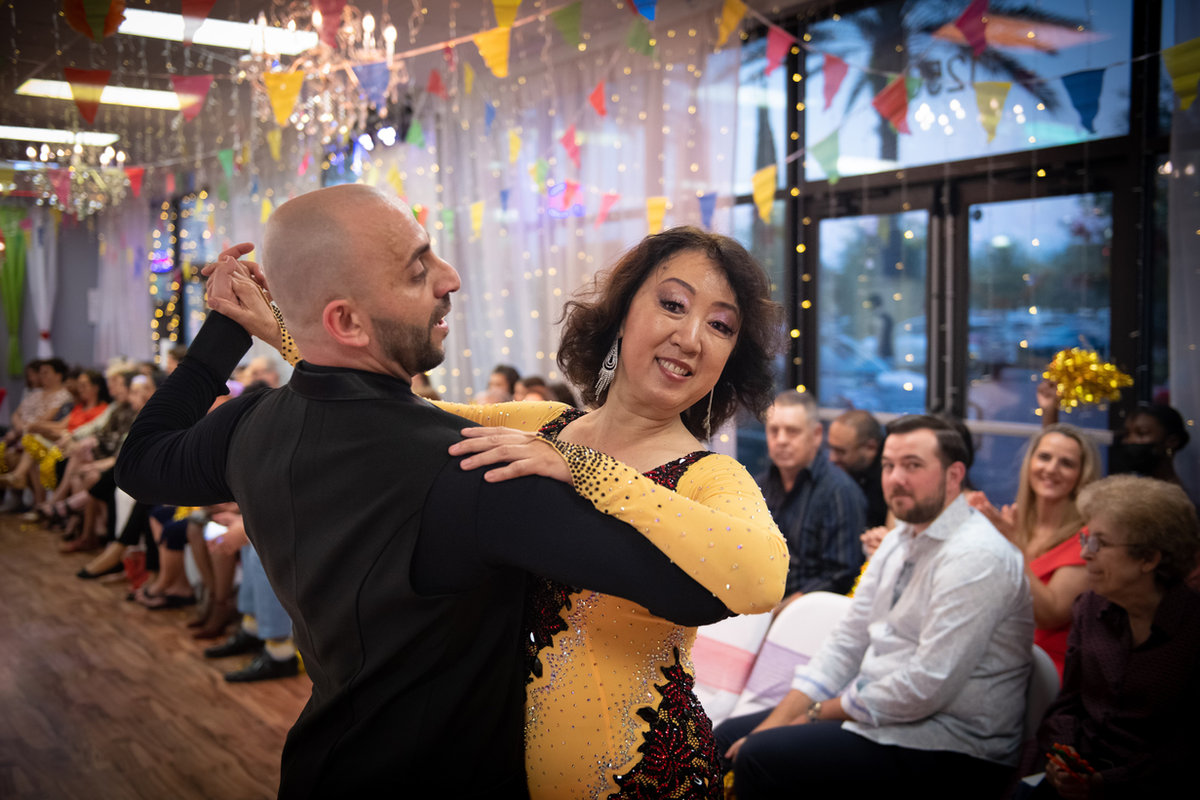
The International Style of partner dance was introduced in England during the 1800s, and had become popular throughout the rest of the world by the nineteenth century, through the music of Josef and Johann Strauss.
International Style is divided into two very distinct sub-styles — Standard (also known as “Ballroom”) and Latin — and is generally used more on the competitive dance circuit than for social dancing.
Two styles of ballroom dancing
Here in the United States, ballroom adapted into what became the American Style between 1910 and 1930 — largely thanks to the influence of American jazz music, a more social approach to dancing, and the celebrated dancing and choreography of Mr. Fred Astaire.
Over the years, American Style expanded to take in dances such as West Coast Swing, Salsa and Mambo, and it has always been driven by the development of music around the world. It is divided into two distinct sub-styles — Rhythm and Smooth — and is danced in both social and competitive ballroom.
International versus American
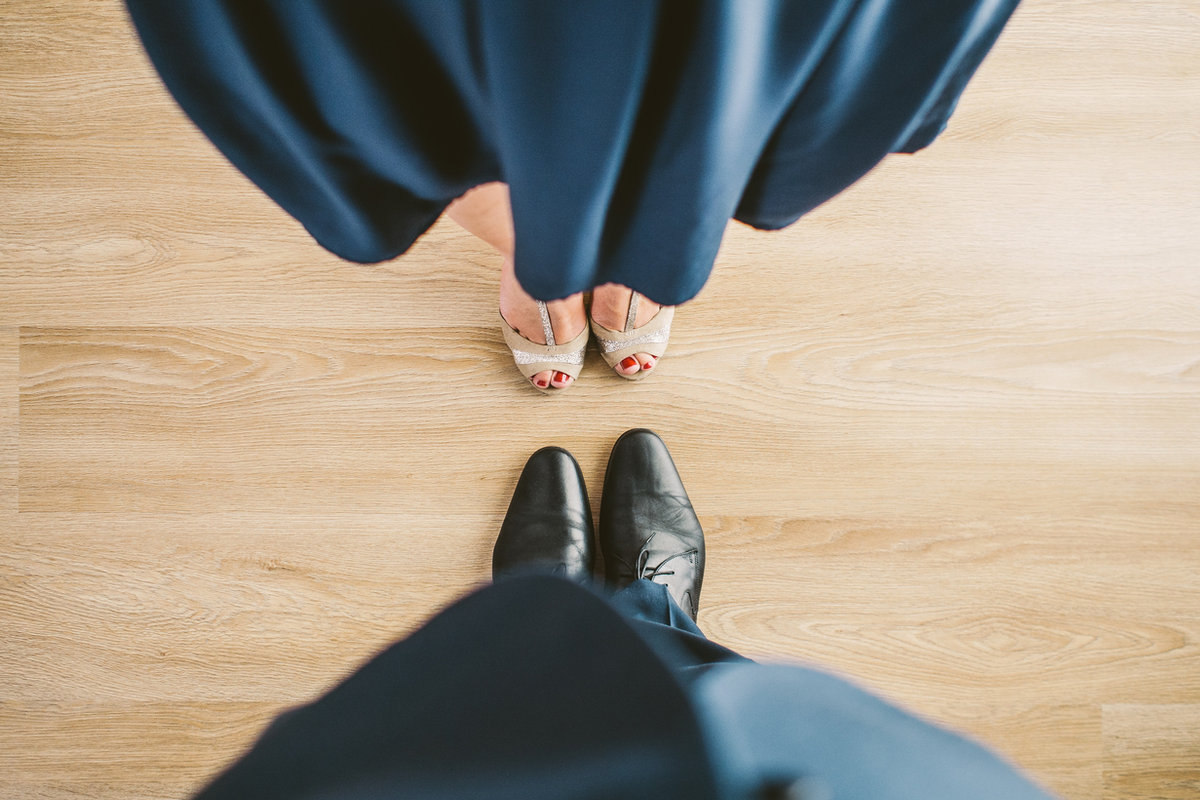
International Style is without doubt the classic style of Ballroom. In International Standard, dance partners stay in a closed dance position throughout — meaning they stay in front of one another, in body contact, for the whole dance. American Smooth is similar to its European counterpart, but it allows the dancers to separate — called “open position” — within their routine.
In the early stages of training, the International Style is more disciplined than the American Style, which usually begins as a social hobby and then progresses to a sport. American Style can also include “Exhibition” solo work, which gives the couple more freedom in their choreography.
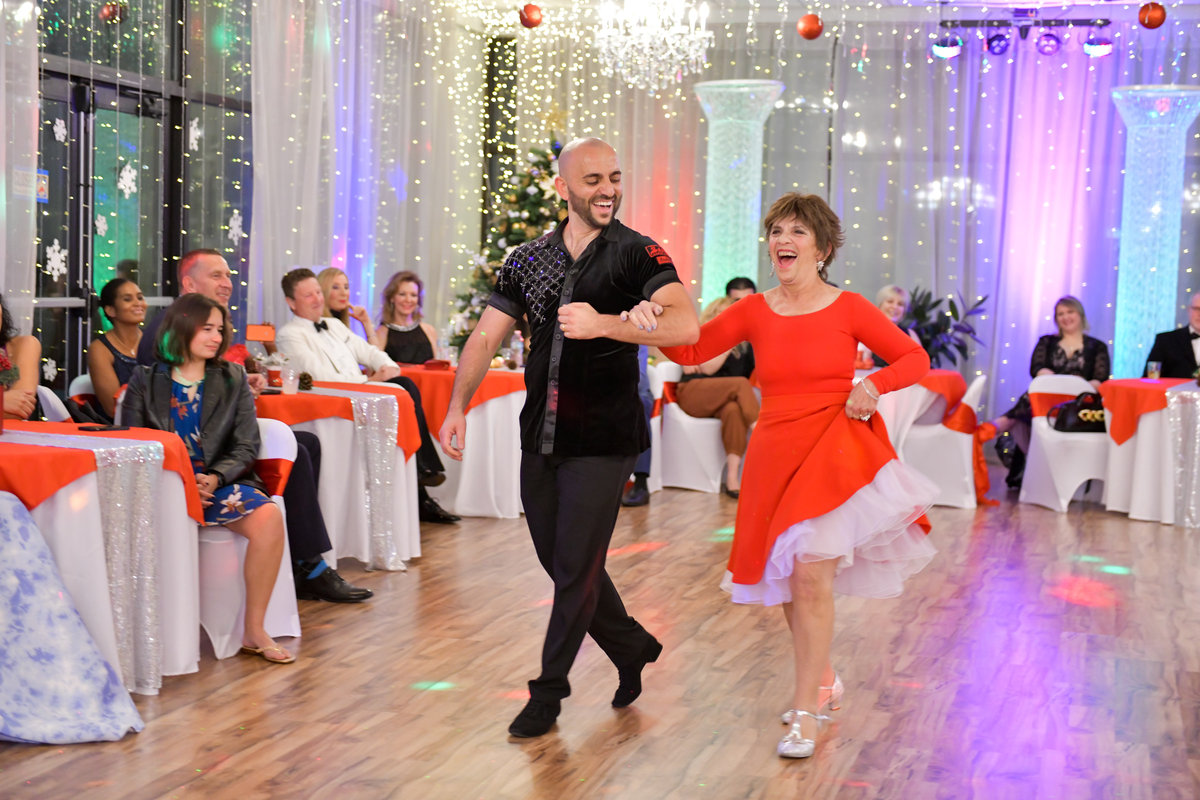
Both styles are technical, with a high level of proficiency required, but there is more freedom in the American Style when it comes to closed figures; the International Style is stricter, with fewer figures on offer.
In the world of ballroom competition there are differences in the dresses and costumes worn for each style, too. Because partners stay in closed position when they dance International, those gowns often have floats running from the sleeves — which would not be practical for the American Style, with its open as well as closed positions.

The dances you will find on our floor, in the two families of the American Style.
Get your dance on
At VM Ballroom Dance Studios we teach both the International and the American Ballroom styles — and a good deal more besides. As a VM Ballroom student you choose which dance style you would like to learn first, based on what appeals to you and on your own dance goals.
Someone looking for high-energy lessons and better physical health will most likely pick a different style from a couple looking for an elegant First Dance for their wedding. Whatever your age or ability level, and whether you plan to take lessons with a dance partner or on your own — you have definitely come to the right place.
Call us on (321) 477-9959 and ask about our money-saving introductory offer for new students. Together, we will get you started on your own dance journey.
Get the Intro Offer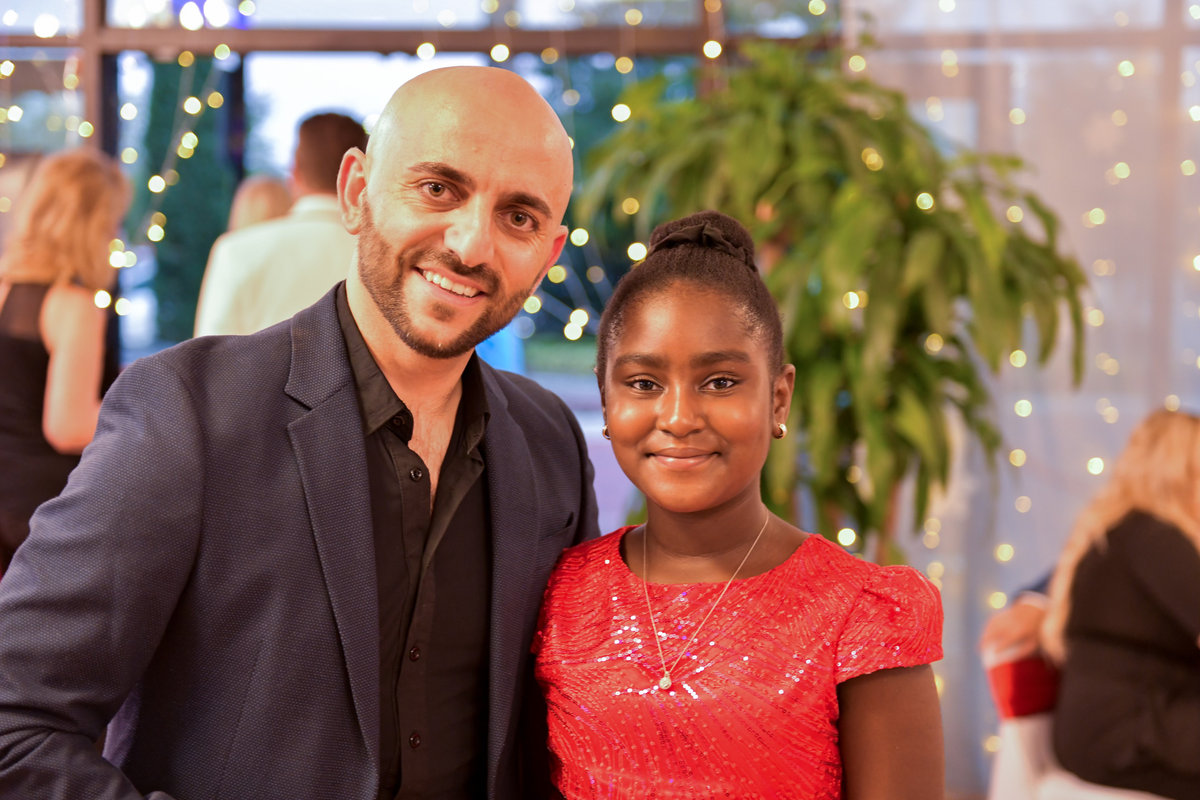
Two private half-hour lessons for $79 — our offer for new students, on your own or with a partner.
Get Intro OfferWhat dancing does for your body, your mind and your social life.
Benefits of DanceThe seven reasons our students give for dancing with us, and what a lesson here feels like.
Why Choose VM Ballroom?How the first lesson works, and how we get you dancing with confidence.
Start DancingNew Student Special ✦ VM Ballroom
Get your intro offer when you sign up — $79 for (2) private ½-hour lessons.